ABOUT US
GET A FREE QUOTE
-
Home

-
Products
-
Medical Training Simulators
-
Emergency Skill Training
- CPR102 Semi-Automatic Cardiopulmonary Resuscitation

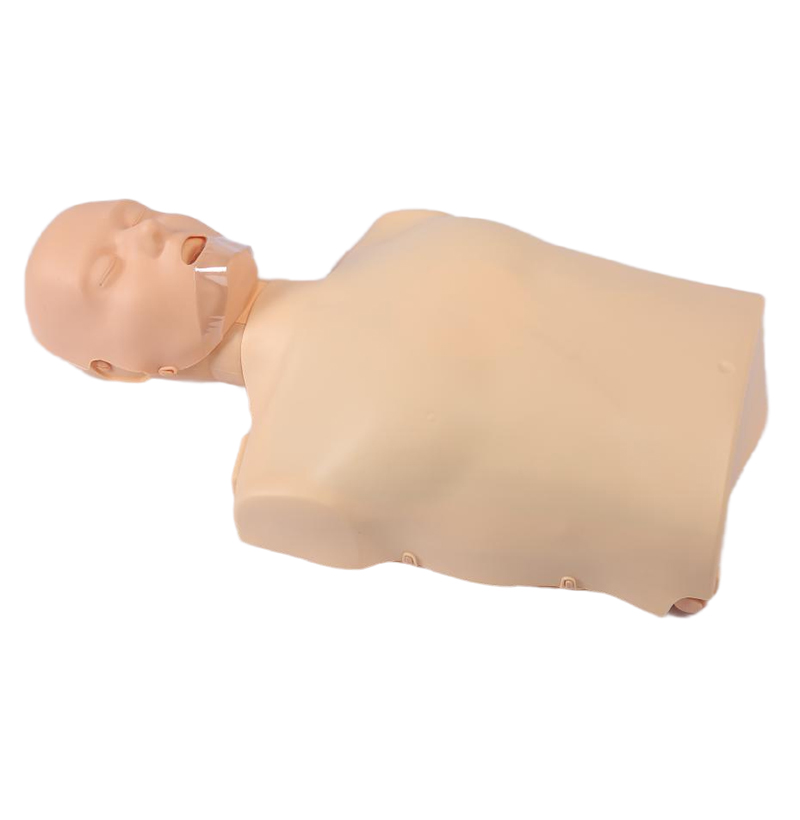
CPR102 Semi-Automatic Cardiopulmonary Resuscitation
Execution standard: American Heart Association (AHA) 2020 International Guidelines for CPR&ECC Standards
Simulate airway opening
Artificial mouth to mouth breathing (blowing air)
external chest compression
Operation cycle: 30 compressions followed by 2 manual blows for a total of 30:2 CPR cycles
Operating frequency: at least 100 times/minute
Operation method: Training
component: Head, torso, and 10 spare lung bags are provided
Simulate airway opening
Artificial mouth to mouth breathing (blowing air)
external chest compression
Operation cycle: 30 compressions followed by 2 manual blows for a total of 30:2 CPR cycles
Operating frequency: at least 100 times/minute
Operation method: Training
component: Head, torso, and 10 spare lung bags are provided
Features
Execution standard: American Heart Association (AHA) 2020 International Guidelines for CPR&ECC Standards
Simulate airway opening
Artificial mouth to mouth breathing (blowing air)
external chest compression
Operation cycle: 30 compressions followed by 2 manual blows for a total of 30:2 CPR cycles
Operating frequency: at least 100 times/minute
Operation method: Training
component: Head, torso, and 10 spare lung bags are provided
Cleaning Guide:
The facial and chest skin of the simulated human are made of the same material and can be cleaned using the same cleaning method.
If the item becomes dirty, please clean it with soapy water; If it is very dirty, it can be cleaned with some commonly used household cleaning agents or detergents, such as oil gourd, dishwashing detergent, etc. It is recommended to choose products with the lowest wear and tear when using cleaning agents to ensure the longevity of the skin.
The dough can be wiped with dilute alcohol to achieve disinfection effect (avoid soaking in corrosive liquids). When used for teaching purposes, dilute alcohol can be used to wipe and disinfect as an additional safety measure.
Don’t forget to use the same method to wipe and disinfect the foam part of the upper chest to keep the inside of the dummy clean.
Related Products
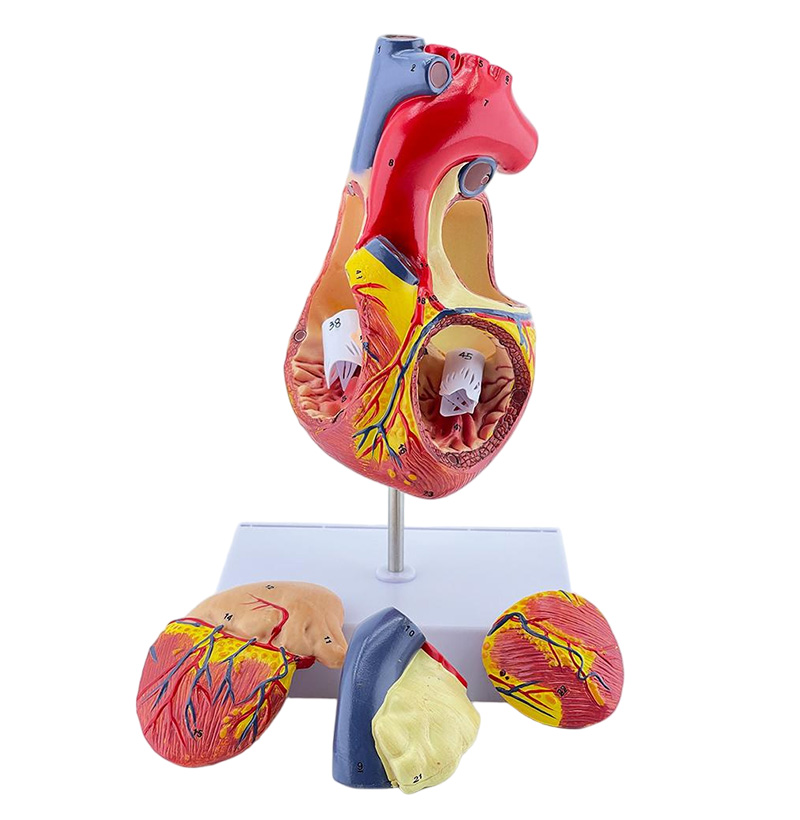
SYX04 Double the Heart
2-fold magnification heart model
The model consists of four parts including atrium and ventricle coronal section, right atrial appendage and left atrium, and displays the structures of atrium and ventricle as well as mitral valve, tricuspid valve, aortic valve and pulmonary valve, etc. The heart anatomical structure is elaborated in detail. A total of 59 site indicators are designed. On the basis of the original 1:1 model, the anatomical structure of atrial appendage is added. Besides, the left and right atria and ventricles can be disassembled to see the specific internal anatomical structure.
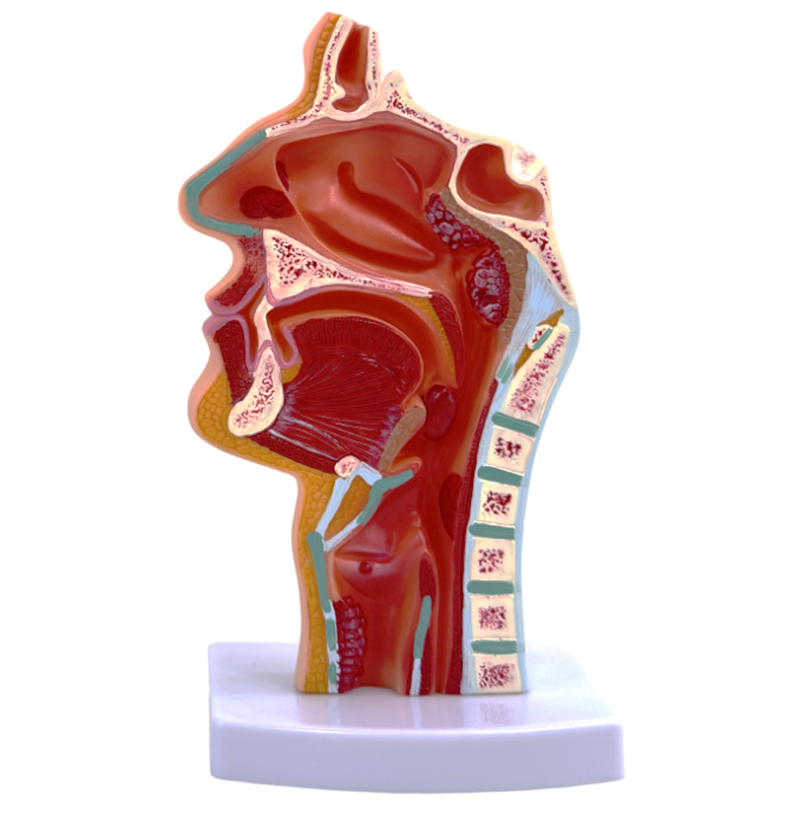
SY305C Pathological Model of Oropharynx
The pharynx of human body is divided into nasopharynx, oropharynx and hypopharynx. Nasopharynx is between skull base and soft palate plane.
And is communicated with the nasal cavity forward through the nasal posterior hole.
On both sides of nasopharynx, eustachian tube pharynx is communicated with middle ear and tympanum. Posterior pharyngeal recess is the most common site of nasopharyngeal ai.
The oropharynx is located between the soft palate and the superior margin of the epiglottis, and communicates with the oral cavity forward through the pharyngeal isthmus.
The out sidewall receives that palatine tonsil.
The hypopharynx is located between the upper margin of epiglottis and the plane of the lower margin of the 6th cervical vertebra, and communicates with the laryngeal cavity through the laryngeal orifice forwards and passes through the esophagus downwards.
The piriform recess on both sides of the laryngeal orifice is the place where the foreign body is easily retained.
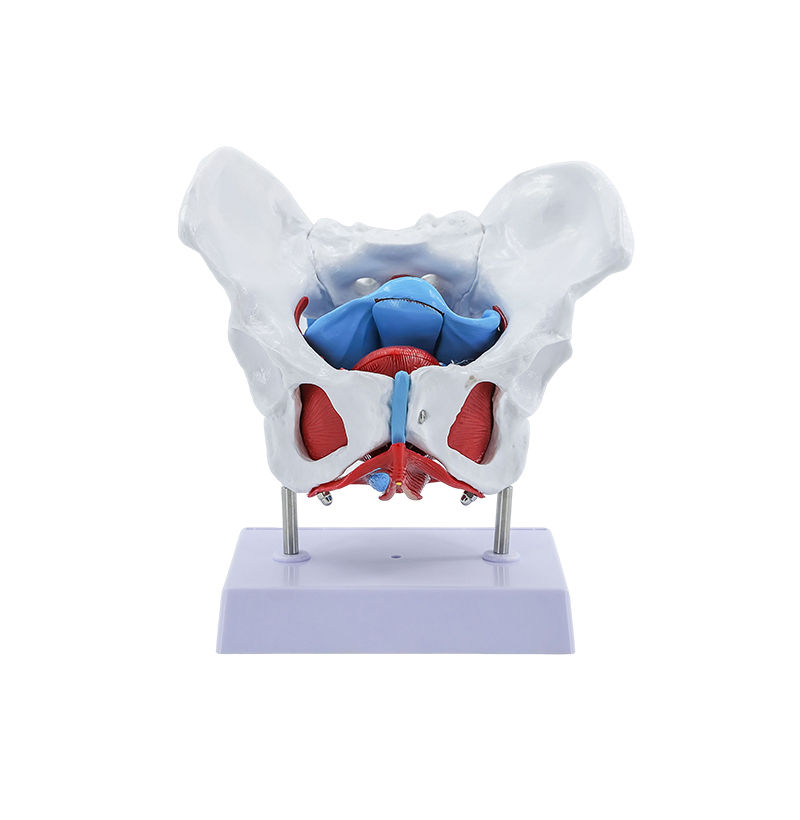
SY125 Female Pelvis And Pelvic Floor Muscle Model
Female pelvic and pelvic floor muscle model
This female pelvic and pelvic floor muscle model is suitable for medical schools to use as visual aids when explaining human anatomy, so that students can easily understand the muscle and fascia levels of the female pelvic region and perineum (pelvic diaphragm, urine reproductive diaphragm, etc.) and the location relationship of uterus, rectum and bladder.