ABOUT US
GET A FREE QUOTE
-
Home

-
Products
-
Diagnostic Equipment
-
Bone Densitometer
- SMT-08X Dual Energy X-Ray Bone Densitometer

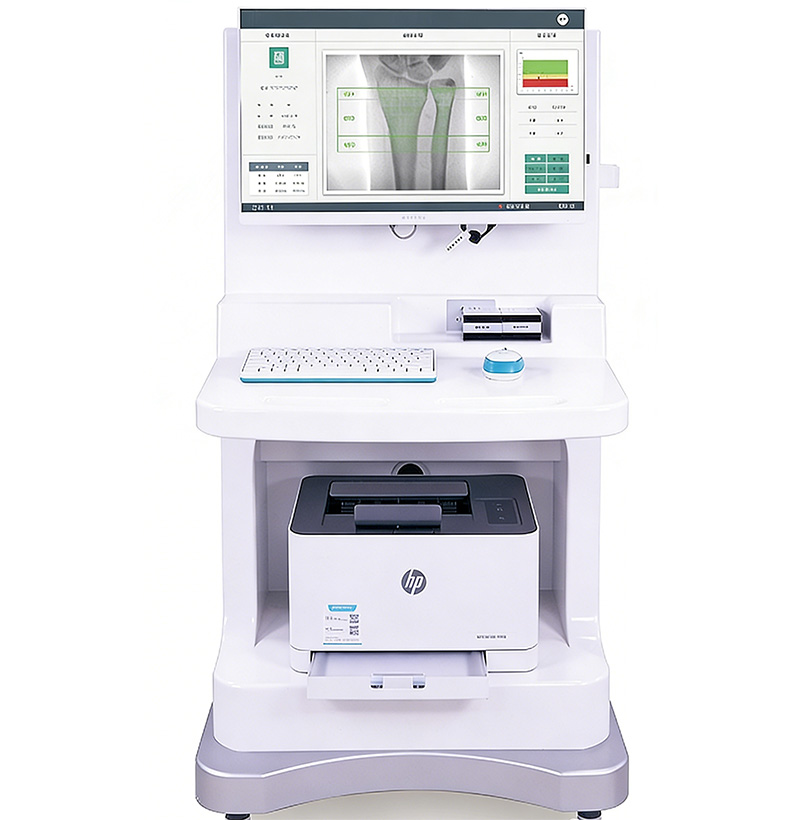
SMT-08X Dual Energy X-Ray Bone Densitometer
1. Measurement principle: dual-energy X-ray bone densitometer, using dual-energy X-ray absorptiometry (DXA), a single exposure generates both high-energy and low-energy X-ray energies simultaneously.
2. Measurement site: arm and forearm, including ulna and radius.
3. Radiation protection: free of protection. All-in-one fully enclosed lead protection design, built-in workstation. Fully enclosed lead protection is used inside the equipment
4. Contains a patented positioning device to increase the stability of arm positioning and improve the stability of detection values.
5. Quality Control: Equipped with three calibration modules to provide daily quality control and calibration.
6. Test area: 90 x 120mm.
7. Adult calculation parameters: bone mineral density (BMD), bone mineral content (BMC), area (Area), T-value, Z-value, bone mass index (BQI), fracture risk (RRF), age-to-age ratio, adult ratio, biological age of bones, age expected to develop osteoporosis (EOA), BMI index.
8. Calculation parameters for children: bone mineral density (BMD), Z value, age ratio, BMI index, physiological age of bones, and height prediction.
2. Measurement site: arm and forearm, including ulna and radius.
3. Radiation protection: free of protection. All-in-one fully enclosed lead protection design, built-in workstation. Fully enclosed lead protection is used inside the equipment
4. Contains a patented positioning device to increase the stability of arm positioning and improve the stability of detection values.
5. Quality Control: Equipped with three calibration modules to provide daily quality control and calibration.
6. Test area: 90 x 120mm.
7. Adult calculation parameters: bone mineral density (BMD), bone mineral content (BMC), area (Area), T-value, Z-value, bone mass index (BQI), fracture risk (RRF), age-to-age ratio, adult ratio, biological age of bones, age expected to develop osteoporosis (EOA), BMI index.
8. Calculation parameters for children: bone mineral density (BMD), Z value, age ratio, BMI index, physiological age of bones, and height prediction.
Technical Specification
1. Measurement principle: dual-energy X-ray bone densitometer, using dual-energy X-ray absorptiometry (DXA), a single exposure generates both high-energy and low-energy X-ray energies simultaneously.
2. Measurement site: arm and forearm, including ulna and radius.
3. Test population: children (0-20 years old), adults (20-100 years old).
4. All-in-one fully enclosed lead protection design, built-in workstation, free of protection
5. Equipped with three calibration modules to provide daily quality control and calibration.
6. Ray tube voltage: low energy 45kV, high energy 70kV;
7. X-ray tube voltage deviation value measured -0.63%;
8. Ray tube current: low energy 0.45mA, high energy 0.25mA;
9. X-ray tube current deviation value measured ≤ 4%;
10. High and low energy radiation scanning time < 4s;
11. Working noise ≤ 70dB;
12. Accuracy of bone mineral density ≤ ± 2%;
13. Repeatability of bone mineral density measurement, coefficient of variation CV ≤ 1%;
14. The linear correlation coefficient R of bone mineral density measurement results is not less than 0.99;
15. Test area: 90 x 120mm.
16. Focal screen distance: the focus distance of the tube is ≥ 280mm from the supporting arm platform;
17. Target surface reference axis angle 12 °;
18. Focus position reference axis tolerance 0.5mm;
19. Image definition (pixel size) ≤ 156µm × 156µm;
20. Adult calculation parameters: bone mineral density (BMD), bone mineral content (BMC), area (Area), T-value, Z-value, bone mass index (BQI), fracture risk (RRF), age-to-age ratio, adult ratio, biological age of bones, age expected to develop osteoporosis (EOA), BMI index.
21. Calculation parameters for children: bone mineral density (BMD), Z value, age ratio, BMI index, physiological age of bones, and height prediction.
Related Products
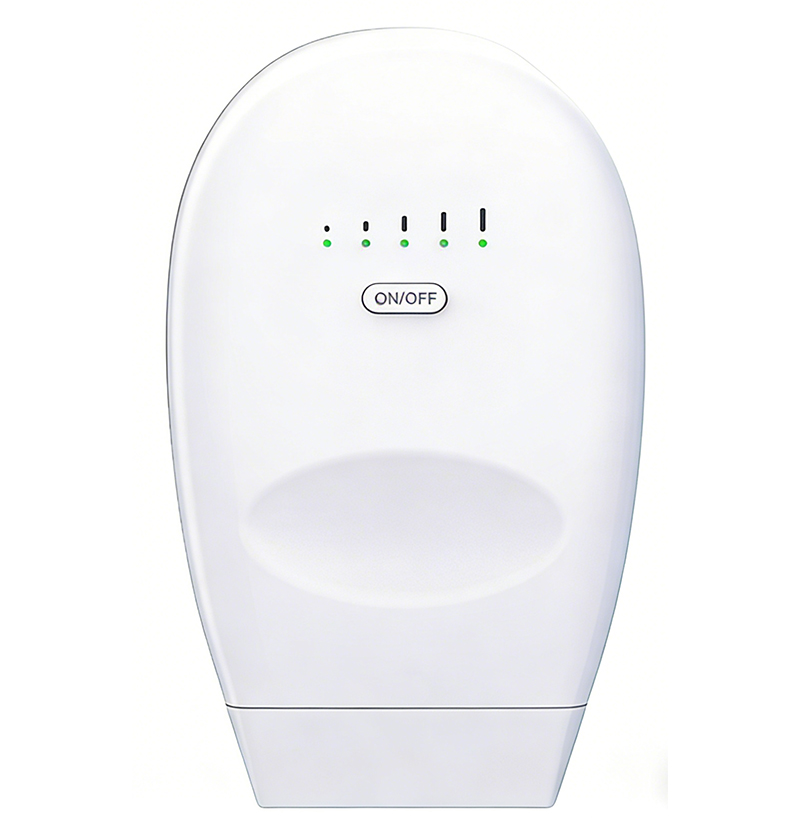
SMT-06P Wireless Ultrasonic Bone Densitometer
Measurement site: radius + tibia
1. Wireless Bluetooth connection
2. Lightweight and beautiful, easy to carry
3. Diversified end points: mobile phones, tablets, computers, handheld end points
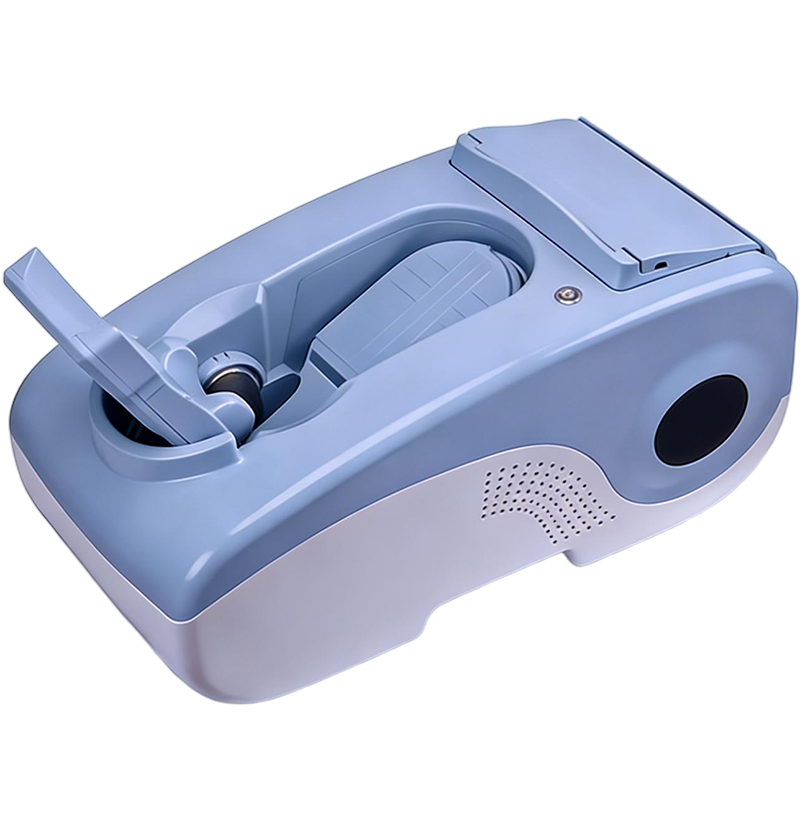
SMT-03H Ultrasonic Bone Densitometer
1.Suitable for a variety of population testing (pregnant women, adults and the elderly), detection age range 3-20/20 -100 years old.
2. Measurement site: heel bone
3. Probe: The oil bag probe uses characteristic ultrasonic oil as a conductor for measurement, and the probe automatically searches for the best signal. It does not need to be replaced during the life of the product and can be used permanently.
4. Complete calculation parameters: adult: T value, Z value, same age ratio, adult ratio, OPR (measurement repeatability), OI (bone mass index), SOS (sound velocity), BUA (ultrasonic amplitude attenuation), bone physiological age
Notice: You need to connect the host to your own computer and printer.